FBI Ten Most Wanted Fugitives
3ms
The FBI's Ten Most Wanted Fugitives list. A name synonymous with justice, a beacon for those seeking to apprehend the most dangerous individuals. It all began in late 1949, a casual chat between FBI Director J. Edgar Hoover and William Kinsey Hutchinson, editor-in-chief of the International News Service. They were brainstorming ways to catch the FBI's toughest targets. This conversation sparked an article, and the public's response was overwhelming. So much so, that on March 14, 1950, the FBI officially launched the list, a powerful tool to aid law enforcement in capturing dangerous fugitives. The very first to bear this distinction? Thomas J. Holden, a robber and member of the notorious Holden–Keating Gang, added on the list's inception day.
Once on the list, removal is rare. Capture, death, or dropped charges are the usual paths off. But sometimes, the FBI decides an individual is no longer a "particularly dangerous menace to society." Víctor Manuel Gerena, a Machetero member added in 1984, held the record for the longest stay – a staggering 32 years. On the flip side, Billie Austin Bryant spent the shortest time, a mere two hours in 1969. The oldest to join? Eugene Palmer, at 80 years old, added on May 29, 2019. And in rare instances, when a fugitive is exceptionally dangerous, the FBI may add an "Eleventh" if no current ten are deemed suitable for removal. Despite what you might see in the movies, the FBI's list isn't ranked. No one is truly "#1 on the FBI's Most Wanted List."
You'll often find the list displayed in public spaces, like post offices, a constant reminder that justice is always searching. Some individuals, facing the pressure, have even turned themselves in. Leslie Isben Rogge made history on May 18, 1996, becoming the first to be apprehended thanks to the FBI's new internet homepage, surrendering at the U.S. embassy in Guatemala City. The FBI, of course, maintains other crucial lists, including Most Wanted Terrorists, crime alerts, and missing persons.
By June 17, 2013, the list had seen a grand total of 500 fugitives. As of July 1, 2025, that number stands at 537. Among them, twelve women. And the success rate? A remarkable 93% captured or located, with a significant 31% of those thanks to the public's invaluable assistance.
When a new face needs to join this infamous roster, the Criminal Investigative Division at FBI Headquarters calls upon its 56 Field Offices to nominate candidates. These nominees are then meticulously reviewed by special agents and the Office of Public Affairs. The final selection is forwarded for approval, first to the assistant director of CID, and then to the FBI Director themselves. This thorough process explains why, even after arrest, some names linger. James Joseph "Whitey" Bulger Jr., apprehended in 2011, remained on the list until May 2012. Osama bin Laden, too, stayed listed for nearly a year after his death. Occasionally, local law enforcement's urgent requests can expedite additions. In 1973, for instance, Bureau director Clarence M. Kelley added Twymon Myers at the direct request of the New York City police commissioner.
Rewards are a powerful incentive. Information leading to capture now carries a minimum of $250,000, a significant increase from the previous $100,000 cap.
Copied!
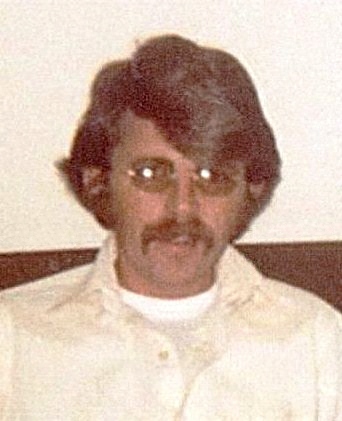 The FBI Ten Most Wanted Fugitives is a most wanted list maintained by the United States's Federal Bureau of Investigation (FBI). The list arose from a conversation held in late 1949 between J. Edgar Hoover, Director of the FBI, and William Kinsey Hutchinson, International News Service (the predecessor of the United Press International) editor-in-chief, who were discussing ways to promote capture of the FBI's "toughest guys". This discussion turned into a published article, which received so much positive publicity that on March 14, 1950, the FBI officially announced the list to increase law enforcement's ability to capture dangerous fugitives. The first person added to the list was Thomas J. Holden, a robber and member of the Holden–Keating Gang on the day of the list's inception.
Individuals are generally only removed from the list if they are captured, dead, or if the charges against them are dropped; they are then replaced by a new entry selected by the FBI. In eleven cases, the FBI removed individuals from the list after deciding that they were no longer a "particularly dangerous menace to society". Machetero member Víctor Manuel Gerena, added to the list in 1984, was on the list for 32 years, which was longer than anyone else. Billie Austin Bryant spent the shortest amount of time on the list, being listed for two hours in 1969. The oldest person to be added to the list was Eugene Palmer on May 29, 2019, at 80 years old. On rare occasions, the FBI will add a "Number Eleven" if that individual is extremely dangerous but the Bureau does not feel any of the current ten should be removed. Despite occasional references in the media, the FBI does not rank their list; no suspect is considered "#1 on the FBI's Most Wanted List" or "The Most Wanted".
The list is commonly posted in public places such as post offices. Some people on the list have turned themselves in. On May 18, 1996, after surrendering at the U.S. embassy in Guatemala City, Leslie Isben Rogge became the first person on the FBI Ten Most Wanted Fugitives list to be apprehended due to the FBI's then-new home page on the internet. The FBI maintains other lists of individuals, including the FBI Most Wanted Terrorists, along with crime alerts, missing persons, and other fugitive lists.
On June 17, 2013, the list reached a cumulative total of 500 fugitives having been listed. As of July 1, 2025, 537 fugitives had been listed, twelve of them women, and 498 of them were captured or located (93%), 163 (31%) of them due to public assistance.
== New additions ==
The Criminal Investigative Division (CID) at FBI Headquarters calls upon all 56 Field Offices to submit candidates for the FBI's "Ten Most Wanted Fugitives" list. The nominees received are reviewed by special agents in the CID and the Office of Public Affairs. The selection of the proposed candidates is forwarded to the assistant director of the CID for their approval and then to the FBI's Director for final approval. This process takes some time, which is why James Joseph "Whitey" Bulger Jr., who was arrested in Santa Monica, California, on June 22, 2011, remained on the list until May 9, 2012, despite no longer being at large. Osama bin Laden similarly remained on the list for almost a year after his death at the hands of U.S. forces on May 2, 2011.
On occasion, fugitives have been added to the list at the request of local law enforcement. For example, Bureau director Clarence M. Kelley added Twymon Myers to the list in 1973 at the request of New York City police commissioner Donald Cawley.
== Former lists ==
== List as of October 2025 ==
Rewards are offered for information leading to capture of fugitives on the list; the reward is a minimum of $250,000 (until May 2023: $100,000) for all fugitives.
== See also ==
2009 Mexico most-wanted drug lords
Operation Flagship – 1985 American police sting operation
Specially Designated Global Terrorist – United States terrorist designation
== References ==
== External links ==
Official website
FBI Tip Line
FBI Most Wanted on Twitter
FBI – Federal Bureau of Investigation YouTube
Ten most wanted fugitives list is turning 65 years old—FBI news blog
Additional information from America's Most Wanted
Home
Languages
The FBI Ten Most Wanted Fugitives is a most wanted list maintained by the United States's Federal Bureau of Investigation (FBI). The list arose from a conversation held in late 1949 between J. Edgar Hoover, Director of the FBI, and William Kinsey Hutchinson, International News Service (the predecessor of the United Press International) editor-in-chief, who were discussing ways to promote capture of the FBI's "toughest guys". This discussion turned into a published article, which received so much positive publicity that on March 14, 1950, the FBI officially announced the list to increase law enforcement's ability to capture dangerous fugitives. The first person added to the list was Thomas J. Holden, a robber and member of the Holden–Keating Gang on the day of the list's inception.
Individuals are generally only removed from the list if they are captured, dead, or if the charges against them are dropped; they are then replaced by a new entry selected by the FBI. In eleven cases, the FBI removed individuals from the list after deciding that they were no longer a "particularly dangerous menace to society". Machetero member Víctor Manuel Gerena, added to the list in 1984, was on the list for 32 years, which was longer than anyone else. Billie Austin Bryant spent the shortest amount of time on the list, being listed for two hours in 1969. The oldest person to be added to the list was Eugene Palmer on May 29, 2019, at 80 years old. On rare occasions, the FBI will add a "Number Eleven" if that individual is extremely dangerous but the Bureau does not feel any of the current ten should be removed. Despite occasional references in the media, the FBI does not rank their list; no suspect is considered "#1 on the FBI's Most Wanted List" or "The Most Wanted".
The list is commonly posted in public places such as post offices. Some people on the list have turned themselves in. On May 18, 1996, after surrendering at the U.S. embassy in Guatemala City, Leslie Isben Rogge became the first person on the FBI Ten Most Wanted Fugitives list to be apprehended due to the FBI's then-new home page on the internet. The FBI maintains other lists of individuals, including the FBI Most Wanted Terrorists, along with crime alerts, missing persons, and other fugitive lists.
On June 17, 2013, the list reached a cumulative total of 500 fugitives having been listed. As of July 1, 2025, 537 fugitives had been listed, twelve of them women, and 498 of them were captured or located (93%), 163 (31%) of them due to public assistance.
== New additions ==
The Criminal Investigative Division (CID) at FBI Headquarters calls upon all 56 Field Offices to submit candidates for the FBI's "Ten Most Wanted Fugitives" list. The nominees received are reviewed by special agents in the CID and the Office of Public Affairs. The selection of the proposed candidates is forwarded to the assistant director of the CID for their approval and then to the FBI's Director for final approval. This process takes some time, which is why James Joseph "Whitey" Bulger Jr., who was arrested in Santa Monica, California, on June 22, 2011, remained on the list until May 9, 2012, despite no longer being at large. Osama bin Laden similarly remained on the list for almost a year after his death at the hands of U.S. forces on May 2, 2011.
On occasion, fugitives have been added to the list at the request of local law enforcement. For example, Bureau director Clarence M. Kelley added Twymon Myers to the list in 1973 at the request of New York City police commissioner Donald Cawley.
== Former lists ==
== List as of October 2025 ==
Rewards are offered for information leading to capture of fugitives on the list; the reward is a minimum of $250,000 (until May 2023: $100,000) for all fugitives.
== See also ==
2009 Mexico most-wanted drug lords
Operation Flagship – 1985 American police sting operation
Specially Designated Global Terrorist – United States terrorist designation
== References ==
== External links ==
Official website
FBI Tip Line
FBI Most Wanted on Twitter
FBI – Federal Bureau of Investigation YouTube
Ten most wanted fugitives list is turning 65 years old—FBI news blog
Additional information from America's Most Wanted
Home
Languages